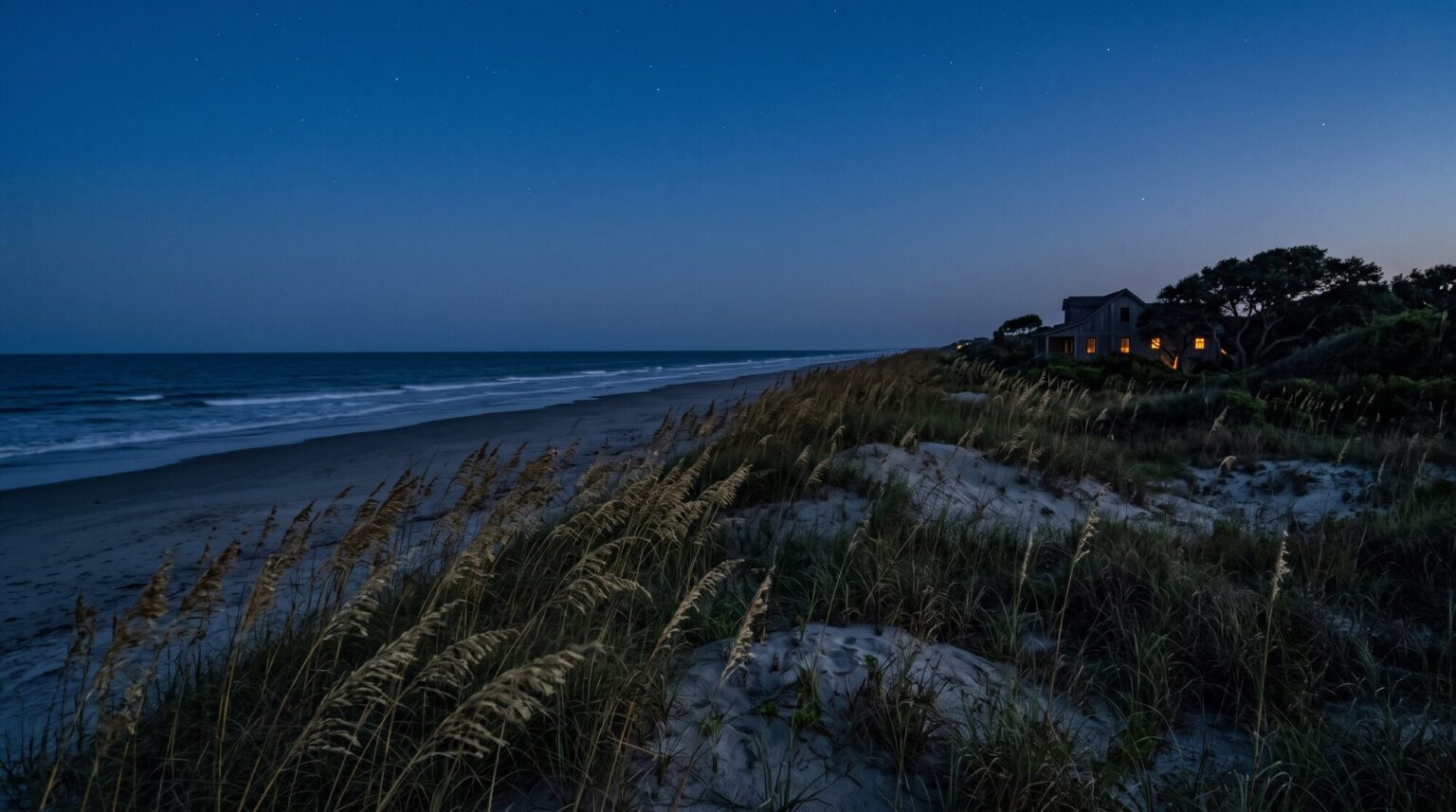
Living Responsibly Along the South Carolina Coast
There are plenty of beautiful places to own a home, but very few places where nature is woven so completely into everyday life. In the Lowcountry, it’s simply part of who we are. A morning walk might include an osprey diving into the marsh for breakfast. A great blue heron may be standing quietly at the edge of a lagoon. Deer wander through neighborhoods as if they own the place, and every spring, loggerhead sea turtles return to our beaches to nest—just as they have for thousands of years.
Living here means accepting that we aren’t simply surrounded by nature. We’re part of it.
That’s one of the things we love most about calling the Lowcountry home, but it also comes with a responsibility. Every decision we make as homeowners—from the lights we leave on at night to the landscaping we choose and the way we maintain our property—can have an impact on the wildlife that makes this region unlike anywhere else.
At Home Management of the Lowcountry, we believe caring for a home goes beyond protecting the structure itself. It also means respecting the remarkable environment that surrounds it.
One of the best-known examples is our loggerhead sea turtles. Every year, beginning in the spring and continuing through late summer, female turtles come ashore under the cover of darkness to lay their eggs on our beaches. Weeks later, tiny hatchlings emerge and instinctively head toward the brightest horizon, which should be the reflection of moonlight over the Atlantic Ocean.
Artificial lighting can change that instinct.
Bright white floodlights, landscape lighting, or even uncovered windows facing the beach can confuse hatchlings, drawing them inland instead of toward the water. Many never survive the journey.
That’s why communities throughout Hilton Head Island have adopted lighting ordinances during nesting season. If you live near the beach, using turtle-friendly amber lighting, closing drapes after dark, and turning off unnecessary exterior lights are simple ways to help protect one of the Lowcountry’s most treasured species. Even if your home isn’t oceanfront, understanding why those guidelines exist helps preserve something truly extraordinary.
Birds are another part of everyday life here. Many homeowners enjoy watching painted buntings, cardinals, woodpeckers, bluebirds, hummingbirds, and Carolina wrens visit their yards. Ospreys build enormous nests atop channel markers and utility poles, while egrets and herons patiently hunt along the marsh.
Sometimes birds choose our homes as nesting sites as well.
It’s not unusual to find a nest tucked above a porch light, inside a wreath, beneath an eave, or even inside a dryer vent. While it may be tempting to remove it immediately, active nests containing eggs or chicks are protected by federal law in many cases. Waiting until the young birds have fledged before removing a nest is usually the safest and most responsible approach. If a nest creates a safety concern, consulting a licensed wildlife professional is always the best course of action.
One of the easiest ways to support local bird populations is surprisingly simple: plant native species. Native trees, shrubs, and flowering plants provide food, shelter, and nesting habitat that exotic ornamental plants often cannot. Wax myrtles, yaupon holly, beautyberry, oak trees, and native grasses all contribute to a healthier ecosystem while creating beautiful landscapes that require less maintenance once established.
Landscaping choices matter in other ways, too.
Many homeowners automatically reach for pesticides when insects appear. While there are certainly times when professional pest control is necessary, broad applications of chemicals can also affect butterflies, bees, dragonflies, and other beneficial insects that pollinate plants and help maintain a healthy balance in nature.
Choosing targeted treatments instead of blanket applications, following label directions carefully, and working with knowledgeable pest professionals can protect both your home and the surrounding environment.
Water is another precious resource in the Lowcountry. Irrigation systems make it easy to keep lawns green, but overwatering not only wastes water—it also creates ideal conditions for mosquitoes, fungus, and unhealthy root systems. Watering deeply but less frequently, checking irrigation heads for leaks, and adjusting schedules during rainy periods helps conserve water while keeping landscapes healthy.
Storm preparation also deserves a thoughtful approach. After a tropical storm or hurricane, it’s natural to want to clean up as quickly as possible. Fallen limbs should certainly be removed when they create hazards, but not every pile of natural debris needs to disappear immediately. Small brush piles can provide temporary shelter for birds and other wildlife recovering after a storm. When cleanup is necessary, taking a moment to check for nests or wildlife before beginning can make a meaningful difference.
Outdoor lighting deserves attention beyond turtle season as well. Excessive nighttime lighting affects migrating birds, nocturnal wildlife, and even insects that play important roles in our ecosystem. Motion-activated lighting, shielded fixtures, and warm-colored bulbs often provide excellent security while reducing unnecessary light pollution.
One of the things we appreciate most about working throughout the Lowcountry is seeing homeowners who genuinely care about preserving what makes this place so special. We see people installing bluebird boxes, planting pollinator gardens, protecting mature live oaks, and choosing native plants over invasive species. These aren’t grand gestures. They’re thoughtful decisions that, collectively, help preserve the character of our communities for future generations.
Protecting nature and protecting your home often go hand in hand. Healthy trees provide shade that reduces cooling costs. Native plants require less water and fewer chemicals. Proper drainage protects both your foundation and nearby marshes. Responsible lighting keeps wildlife safer while reducing energy consumption. Good stewardship benefits everyone.
At Home Management of the Lowcountry, we’re fortunate to spend our days caring for homes in one of the most beautiful coastal regions in America. We never lose sight of the fact that the homes we protect are part of a much larger landscape filled with remarkable wildlife, delicate ecosystems, and natural beauty that simply can’t be replaced.
Owning a home here is about more than maintaining a building. It’s about becoming part of a community that values conservation, respects its natural surroundings, and understands that the choices we make today help ensure the Lowcountry remains just as extraordinary for generations to come.
Home Management of the Lowcountry’s Suggested Stewardship Checklist
Small actions can make a big difference for both your home and the environment.
- Turn off unnecessary outdoor lighting, especially during sea turtle nesting season.
- Choose warm or amber exterior lighting whenever possible.
- Plant native trees, shrubs, and flowering plants.
- Check dryer vents, porch lights, and eaves for nesting birds before removing nests.
- Inspect irrigation systems for leaks and avoid overwatering.
- Use pesticides thoughtfully and only when necessary.
- Keep storm drains clear to protect local waterways.
- Secure trash and recycling to discourage wildlife from becoming dependent on human food.
- Protect mature trees whenever possible—they’re one of the Lowcountry’s greatest natural assets.
- Support local conservation organizations working to preserve our beaches, marshes, and wildlife.
Caring for Homes. Respecting Nature.
At Home Management of the Lowcountry, we believe homeownership and environmental stewardship go hand in hand. By caring for our homes responsibly and respecting the wildlife that shares this remarkable place with us, we help preserve everything that makes the Lowcountry feel like home.