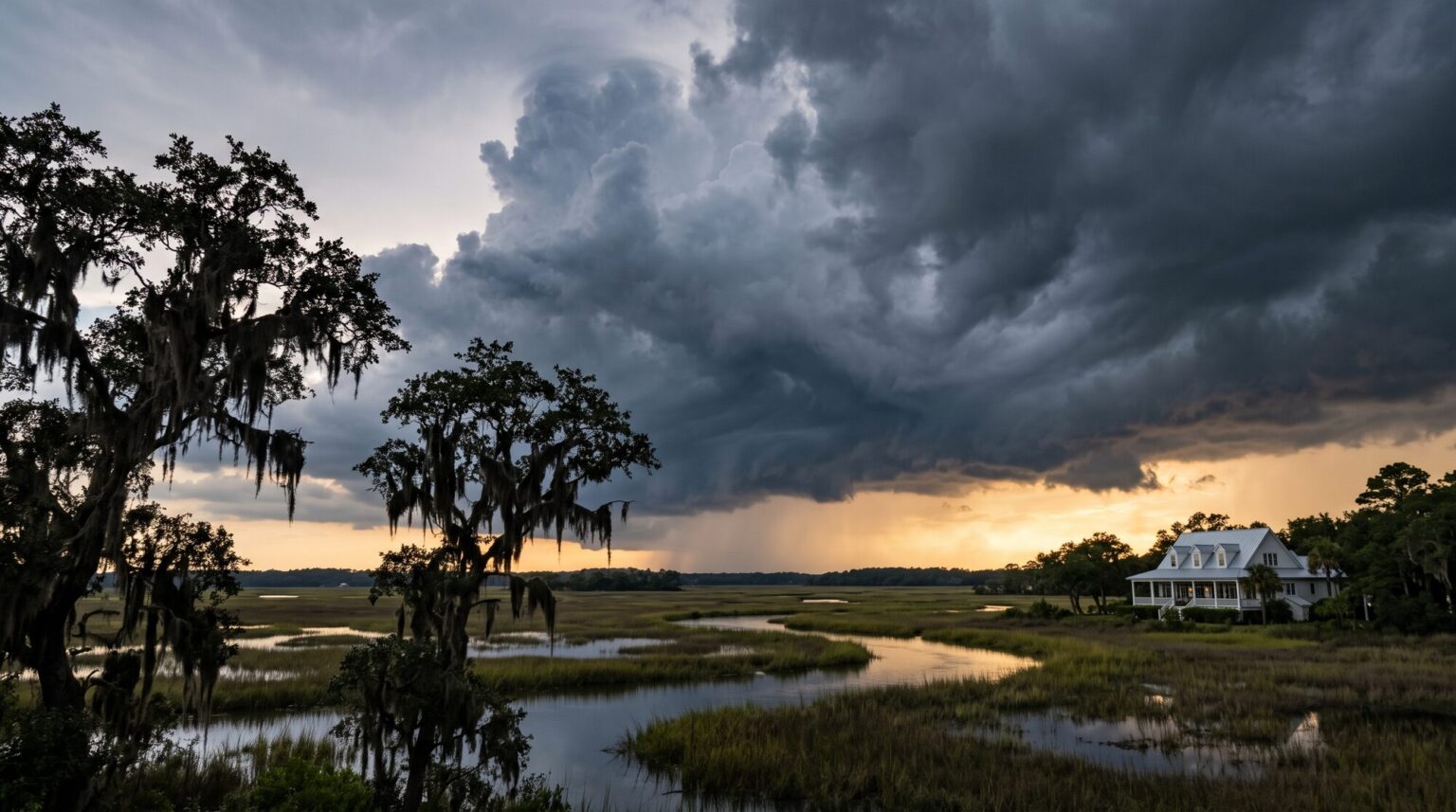
Why Living Here Means Your Home Needs a Different Kind of Care
People move to the Lowcountry for all the right reasons. They fall in love with centuries-old live oaks draped in Spanish moss, breathtaking marsh views, quiet beaches, championship golf courses, and a pace of life that somehow encourages everyone to slow down and enjoy the moment. Whether you’ve chosen to make the Lowcountry your permanent home or your favorite place to escape for part of the year, it’s easy to understand why so many people never want to leave.
What many homeowners don’t realize, however, is that while the Lowcountry is incredibly easy on the soul, it’s surprisingly tough on a home.
One of the conversations we have most often with homeowners—especially those who are new to the area—is this: “We’ve owned homes our entire lives. We know how to take care of a house.” And they’re absolutely right. Most homeowners do know how to care for a home. The challenge is that caring for a house in Ohio, Pennsylvania, Michigan, or even the mountain of North Carolina is vastly different from caring for one on the South Carolina coast.
Here, our homes are constantly exposed to what we like to call the Lowcountry Triple Threat: humidity, pests, and hurricanes. Those three forces never really take a day off, and together they can slowly wear down even the most beautifully maintained home. The encouraging news is that most expensive repairs don’t begin as disasters. They usually start with something small—a little moisture where it shouldn’t be, a clogged HVAC drain line, a loose roof shingle, or a tiny plumbing leak that simply wasn’t discovered in time.
That’s why we believe preventative home management is one of the smartest investments a homeowner can make.
Humidity is perhaps the greatest challenge because it’s largely invisible. You can’t always see it, but it’s working behind the scenes every single day. Coastal air carries moisture year-round, and that moisture has a way of finding every little crack, crevice, and hidden corner of a home. Over time, it can cause hardwood floors to swell, doors to stick, paint to peel, insulation to become damp, and mold to begin growing in places most homeowners rarely think to inspect.
Sometimes the first warning sign isn’t something you see at all. It’s a faint musty smell when you walk through the front door. A guest bedroom closet that suddenly feels damp. Condensation collecting on windows that never used to fog. Those subtle changes often tell us much more than an obvious water stain ever could.
Vacation homes are especially vulnerable. If an air conditioning system stops working while you’re hundreds of miles away, indoor humidity can rise quickly. A slow leak beneath a sink or a clogged condensate line may go unnoticed for weeks. By the time the homeowner returns, what could have been a relatively simple repair may have turned into mold remediation, damaged flooring, ruined cabinetry, or expensive drywall replacement.
That’s one of the reasons regular home visits are so valuable. During every visit, our team is paying attention to the details that many homeowners simply don’t have the opportunity to notice. Does the house smell different than it did last week? Is there more condensation than usual? Is the temperature where it should be? Has anything changed since our last visit? Those observations may sound simple, but they’re often what allow us to catch a problem before it becomes a major repair.
The second threat are pests. Living in a warm coastal climate means we’re sharing this beautiful place with creatures that enjoy it just as much as we do. Most are harmless and some can cause significant damage- if they’re allowed to make themselves at home.
Every homeowner here eventually becomes familiar with palmetto bugs. Ants seem to find the smallest opening imaginable, wasps have an uncanny ability to build nests in inconvenient places, and squirrels, birds, and rodents occasionally decide an attic or dryer vent would make an excellent home. Then there are termites—a reality of life throughout the Lowcountry and one of the biggest reasons routine inspections are so important.
The goal isn’t to panic every time you see a bug. The goal is to understand that prevention is always easier—and less expensive—than treatment. During our home visits, we’re constantly looking for the conditions that invite problems before pests ever become an issue. Standing water near the foundation, tree limbs touching the roof, mulch piled against siding, damaged weather stripping, or gaps around utility lines may seem insignificant on their own, but together they create opportunities for insects and wildlife to move in.
The third threat is the one everyone thinks about: hurricanes. Ironically, many of the repairs we see aren’t caused by a direct hurricane strike. They’re often the result of the afternoon thunderstorms we experience throughout the summer. Heavy rain finds a tiny opening around a roof vent. Wind loosens a few shingles. Gutters overflow because they’re packed with leaves and pine straw. A tree limb rubs against the roof storm after storm until it finally causes damage.
Those are the kinds of problems that rarely make the evening news, but they’re responsible for many of the repairs homeowners eventually face.
Preparing for a hurricane shouldn’t begin when the Weather Channel starts tracking a named storm. It should begin months earlier. Is your roof in good condition? Are your gutters draining properly? Have trees been trimmed away from the house? Are outdoor furnishings secured? Do you know where your water shutoff valve is located? Taking care of these items before hurricane season arrives can make a tremendous difference when severe weather threatens. “By failing to prepare, you are preparing to fail” – Benjamin Franklin. Together with each client, we create a mutually approved storm-preparation plan tailored to their property. The plan is documented in the secure client portal, allowing ample time to coordinate services, secure the property, and complete necessary preparations before a named storm or hurricane becomes an emergency.
One of the biggest misconceptions we encounter is the idea that maintenance is expensive. The truth is maintenance is the least expensive part of homeownership. It’s the repairs that become costly. Replacing a loose shingle is relatively inexpensive. Replacing drywall, insulation, cabinetry, and hardwood floors after water enters through that missing shingle is another story entirely. Cleaning an HVAC drain line might take less than an hour. Repairing mold damage because that drain overflowed while the home sat vacant for three weeks is a much larger project. The earlier a problem is discovered, the easier—and usually less expensive—it is to solve.
This is especially true for second-home owners. One of the greatest joys of owning a Lowcountry home is being able to come and go with the seasons. Unfortunately, your house doesn’t take a vacation when you do. Air conditioners fail. Refrigerators stop working. Plumbing leaks happen. Summer storms roll through. Having someone regularly checking your home provides something that’s difficult to put a price on peace of mind.
People often ask us what happens during one of our home visits. The answer is both simple and surprisingly comprehensive. We look. We listen. We notice. We walk the exterior of the home, inspect for signs of moisture, pests, and storm damage, verify that major systems are running properly, and identify small issues before they become major ones. If something requires attention, we coordinate trusted local professionals so repairs can be addressed quickly and correctly.
To us, that’s what home management is really about. It’s not waiting for something to go wrong. It’s doing everything possible to keep it from happening in the first place.
The Lowcountry will always have humidity. We’ll always have pests, and hurricane season will always return each year. Those realities are simply part of living in one of the most beautiful places in the country. The key is understanding that homes here require a different level of care than they might somewhere else.
Your home is one of your largest investments. Whether you live here year-round or visit only a few months each year, it deserves consistent attention from people who understand the unique challenges of coastal homeownership. At Home Management of the Lowcountry, that’s exactly what we do. We help homeowners protect their investment, preserve the value of their property, and enjoy the Lowcountry with confidence—knowing someone is looking after their home as carefully as they would themselves.