What Every Lowcountry Homeowner Should Know Before a Small Problem Becomes a Major Repair
When most people think about mold, they picture a black stain spreading across a bathroom ceiling or fuzzy green patches growing on an old loaf of bread. Fortunately, that’s rarely how mold begins in a home. In fact, one of the biggest challenges with mold is that it often develops quietly, hidden behind walls, beneath flooring, inside cabinets, or in areas of the home you may not see every day. Noticing discoloration areas on walls or ceilings can be a sign of moisture. Noticing pink areas near seals, joints, or around vents is the beginning stage of mold, before it becomes black. Unless in an obvious area, like a shower or around a sink or toilet, do not simply clean it off. Have it inspected.
Here in the South Carolina Lowcountry, mold is one of the most common concerns homeowners face. Our warm temperatures, high humidity, and frequent summer rainstorms create ideal conditions for moisture. Add a small plumbing leak, a clogged HVAC drain line, or an air conditioning system that stops working while you’re away, and mold can begin developing much sooner than many people realize.
The good news is that mold doesn’t simply appear without a reason. In almost every situation, there’s an underlying moisture problem. Finding and correcting that source is just as important as addressing the mold itself. At Home Management of the Lowcountry, one of the things we focus on during every home visit is identifying those early warning signs before they become expensive repairs.
One of the first clues is often something you smell rather than something you see. If you’ve ever walked into a room and noticed a damp, earthy, or musty odor that seems to linger, your home may be trying to tell you something. Many homeowners assume the smell is simply part of living in a humid climate, but persistent musty odors should never be ignored. They frequently indicate moisture where it shouldn’t be.
Bathrooms are one of the most common places for mold to develop, particularly when exhaust fans aren’t used consistently or aren’t removing enough moisture. Shower grout, caulking, ceilings, and the area behind vanities should all be inspected periodically. A small area of discoloration may seem harmless, but it can also be an early indication that excess moisture is accumulating behind the surface.
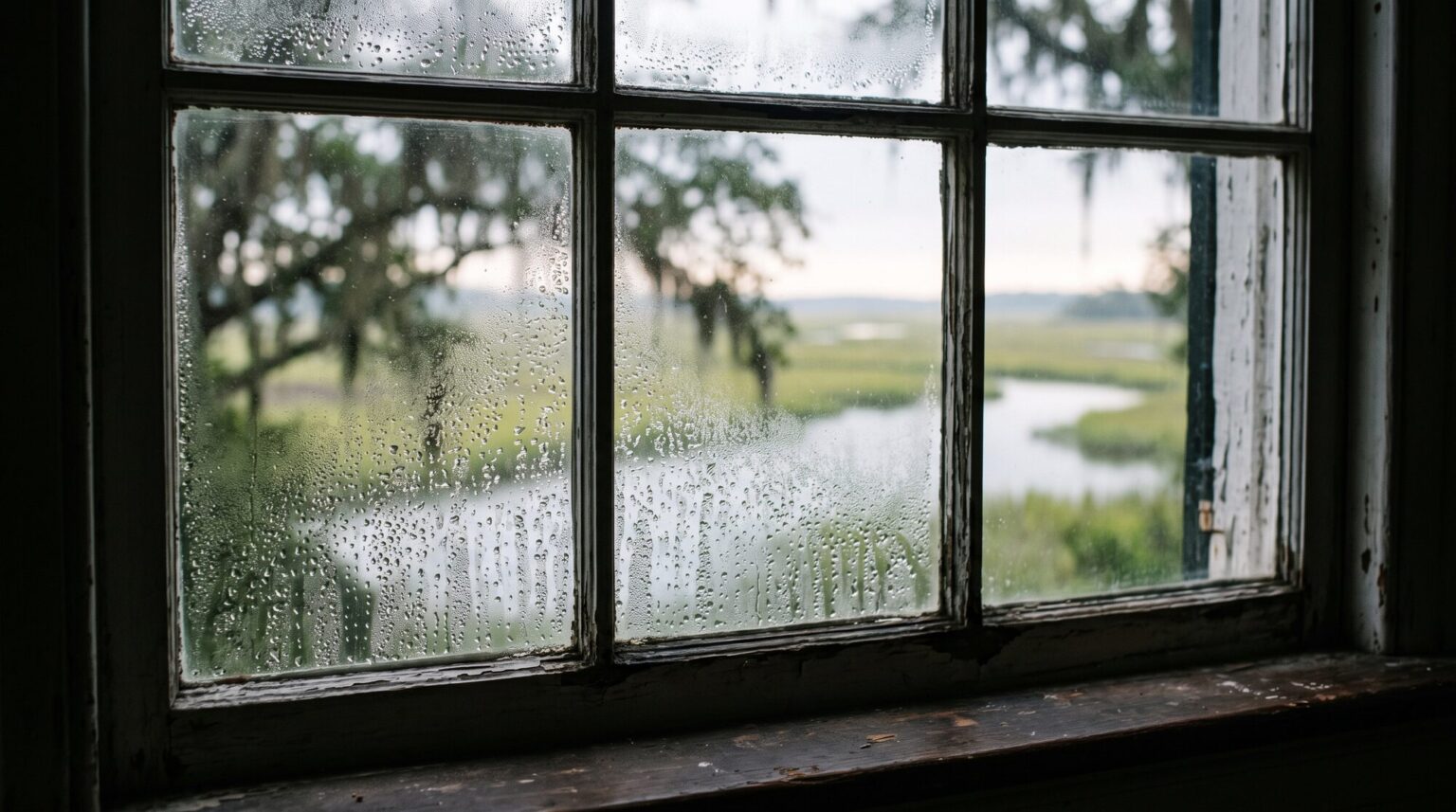
Windows deserve attention as well. Condensation forming on glass during periods of high humidity isn’t unusual, but if moisture consistently collects around window frames or the surrounding trim begins to discolor, peel, or soften, it’s worth taking a closer look. Water has a remarkable ability to travel, and the source of the problem isn’t always directly above the stain.
One area that surprises many homeowners is the HVAC system. Air conditioners do much more than cool your home—they remove moisture from the air. When a condensate drain line becomes clogged or a system isn’t operating properly, excess humidity can build quickly indoors. That additional moisture creates an environment where mold can thrive, particularly in closets, utility rooms, and areas with limited air circulation.
Closets themselves often become overlooked trouble spots. Because doors remain closed for long periods of time, air movement is limited. Add seasonal clothing, luggage, or storage boxes, and moisture can become trapped. If you own a second home that sits vacant for weeks at a time, it’s especially important to leave adequate airflow throughout the house whenever possible.
Kitchen cabinets deserve a quick inspection from time to time, particularly beneath sinks. Plumbing leaks are often slow enough that they escape notice for months. A damp cabinet floor, warped wood, bubbling laminate, or discoloration around pipes may indicate a leak that’s creating ideal conditions for mold growth.
Many homeowners are surprised to learn that even something as simple as furniture placement can contribute to moisture problems. Large pieces of furniture pushed tightly against exterior walls may reduce airflow, allowing humidity to become trapped. Over time, that lack of circulation can create conditions where mold begins developing behind the furniture without anyone realizing it.
Vacation homes require even greater attention. A house that sits empty through the summer may experience power outages, HVAC failures, plumbing leaks, or roof damage after a storm. Without someone regularly checking the property, those issues may go unnoticed for days or even weeks. By the time the homeowner returns, what began as a relatively minor problem can require extensive repairs.
That’s one of the reasons professional home watch visits are so valuable. During each visit, we’re looking beyond whether everything simply appears to be in place. We’re paying attention to the details. Is the indoor temperature where it should be? Is there a new odor? Has condensation appeared where it wasn’t before? Are there signs of moisture beneath sinks, around windows, or near the HVAC system? Small observations like these often allow problems to be addressed long before mold becomes visible.
Preventing mold is usually much easier than removing it. Keeping humidity under control is one of the most important steps homeowners can take. In most homes, indoor humidity should remain between 30 and 50 percent. Routine HVAC maintenance, prompt repair of plumbing leaks, proper ventilation in bathrooms and laundry rooms, and regular inspections all help maintain a healthy indoor environment.
It’s also important to remember that not every dark spot is mold, and not every mold issue requires major remediation. The key is resisting the temptation to ignore the signs. If you notice persistent odors, recurring moisture, or visible growth, addressing the issue promptly can often prevent a much larger and more expensive repair.
Interior mold is a health concern as well as a maintenance concern. Exterior mold can be damaging to the exterior of the house as well. Left untreated, mold can stain paint and rubber gaskets. Seals around garage doors and windows are easily maintained and expensive to replace. Once mold penetrates into paint, it must be sanded and removed from the surface, or it will reappear constantly.
Living in the Lowcountry means embracing a climate that is both beautiful and demanding. Humidity is simply part of coastal life, but it doesn’t have to become a threat to your home. With routine inspections, proactive maintenance, and attention to the small details, mold is often preventable.
At Home Management of the Lowcountry, we believe protecting a home begins long before something goes wrong. By identifying moisture issues early, monitoring homes while owners are away, and responding quickly when concerns arise, we’re able to help homeowners preserve not only their investment, but also the comfort and peace of mind that comes with knowing their home is being cared for.
Home Management of the Lowcountry’s Suggested Mold Prevention Checklist
A few simple habits can dramatically reduce the risk of mold in your home.
- Replace HVAC filters regularly.
- Have your HVAC system serviced annually.
- Keep indoor humidity between 30% and 50%.
- Inspect under sinks for leaks every month.
- Run bathroom exhaust fans during and after showers.
- Check around windows for condensation or discoloration.
- Leave interior doors open occasionally to improve airflow.
- Do not cover vents with furniture or curtains.
- Inspect your attic after heavy storms.
- Clean gutters so water drains away from your home.
- Address plumbing leaks immediately—no matter how small they seem.
- If you own a second home, schedule regular home watch visits to identify moisture problems before they become major repairs.
Caring for Homes. Protecting Investments. Preserving the Lowcountry.
At Home Management of the Lowcountry, we help homeowners throughout Hilton Head, Bluffton, and the surrounding Lowcountry stay ahead of costly repairs through regular home watch visits, preventative maintenance, and trusted local oversight. Because when it comes to mold, finding a small problem today is always better than discovering a big one tomorrow.